Partnering to Shape Your Work

Contribute to UN Regional and Global Forums
To maximize your impact at the United Nations (UN) through strategic and targeted interventions, we help you take the next step—amplifying your work so it gains visibility and influence with decision-makers.
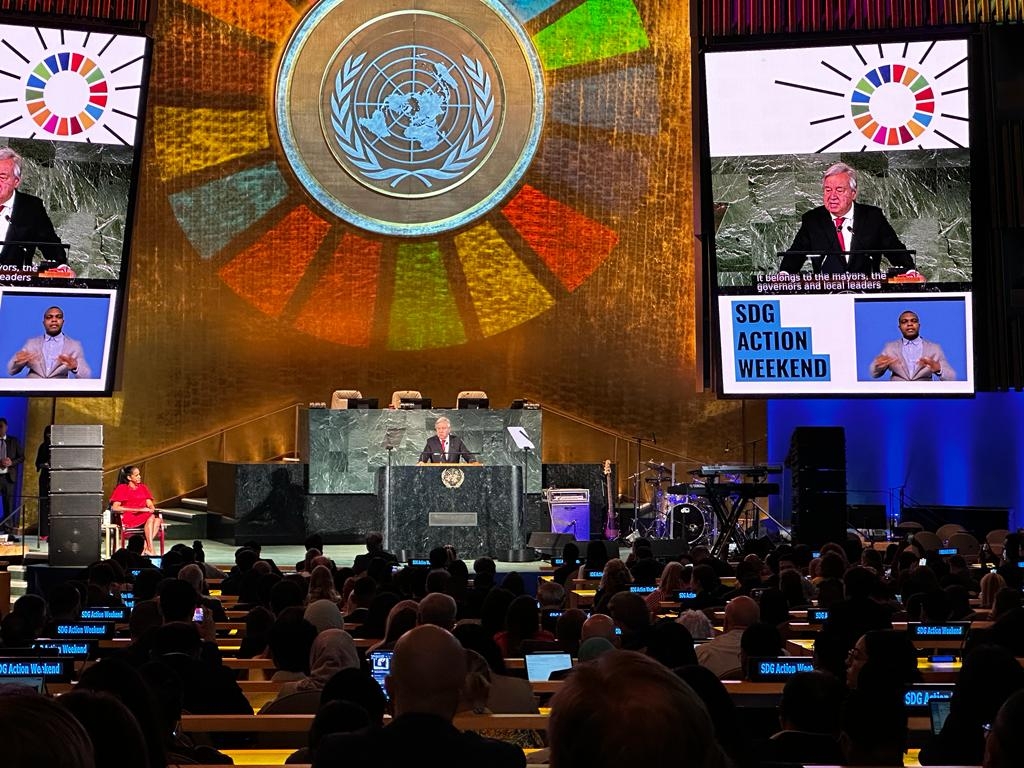
Your Work Starts Online
To maximize your impact at international and regional forums addressing environmental and human rights issues, strategically planned and targeted interventions are essential. We support you with the tools and guidance you need to prepare strong inputs, build momentum, and engage effectively.

The Human Rights Council
The Human Rights Council is the principal United Nations body responsible for strengthening the promotion and protection of human rights around the globe. Much of the decisive work happens in its subsidiary bodies and special procedures, well before any matter reaches the Council floor, which is often where advocacy carries the most weight. We help partners engage there early, with clear and well-documented input.
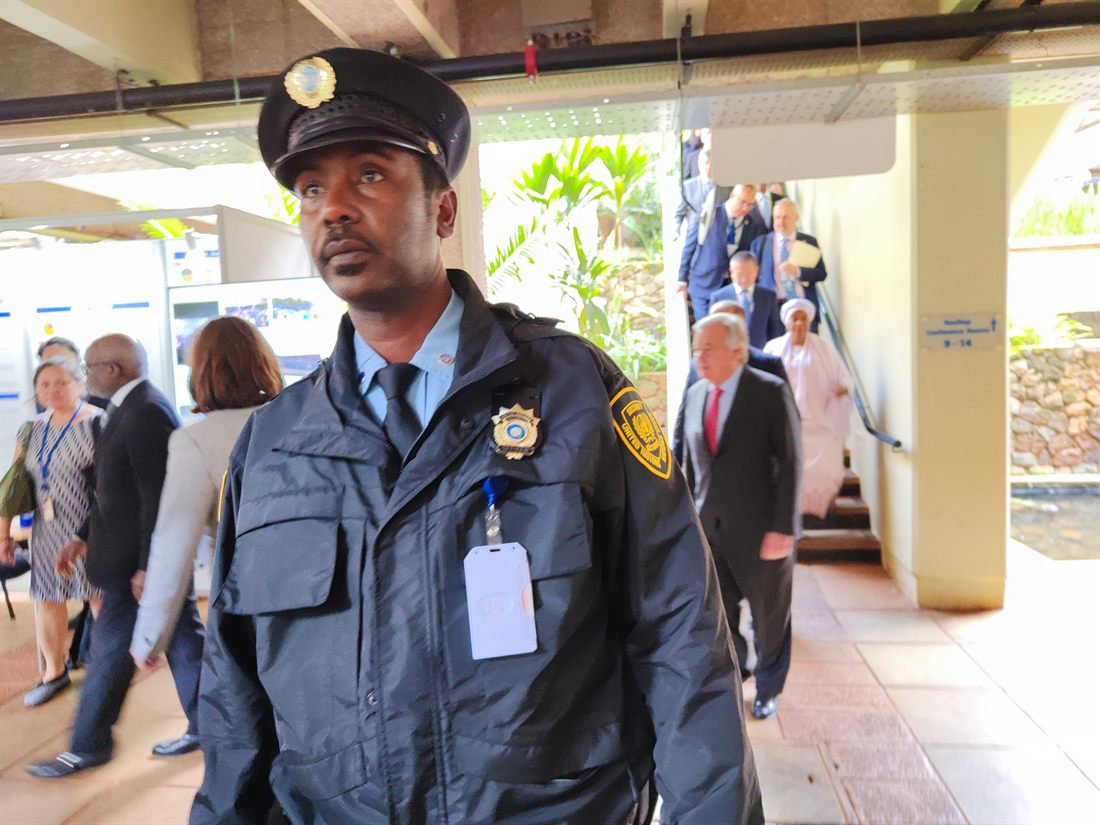
How to Obtain Your UN Accreditation
Consultative status with ECOSOC and association with the Department of Global Communications are the two routes into the UN for civil society. Here is what each unlocks, and how an organisation is accepted.

Human Rights Training
Human rights are universal, indivisible, and inalienable. They are inherent to every individual, cannot be lawfully taken away, and are mutually reinforcing—with each right carrying equal significance. Our training strengthens advocacy skills and helps participants engage safely and effectively in complex multilateral settings.
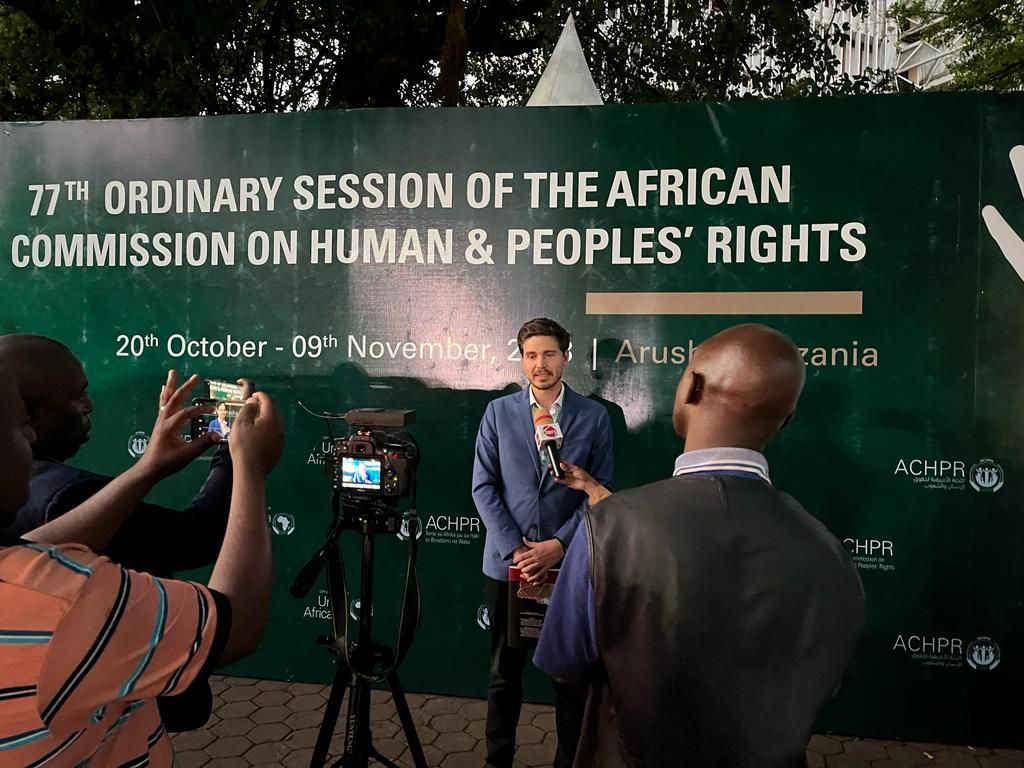
Engage the Media
Media engagement is a powerful tool for advancing human rights. Sharing credible information and raising public awareness can play a vital role in protecting communities and prompting informed public action.
Global Stories

The Roadmap to 2026: Accelerating SDG 6
The December 2026 UN Water Conference is a chance to turn global commitments into practical delivery on water and sanitation, and to accelerate progress on Sustainable Development Goal 6 before 2030. With billions of people still without safely managed water, the stakes could hardly be higher. Co-hosted by Senegal and the UAE, it is the most significant gathering on freshwater since the 2023 conference, and a key moment for civil society to bring local evidence to a global stage.
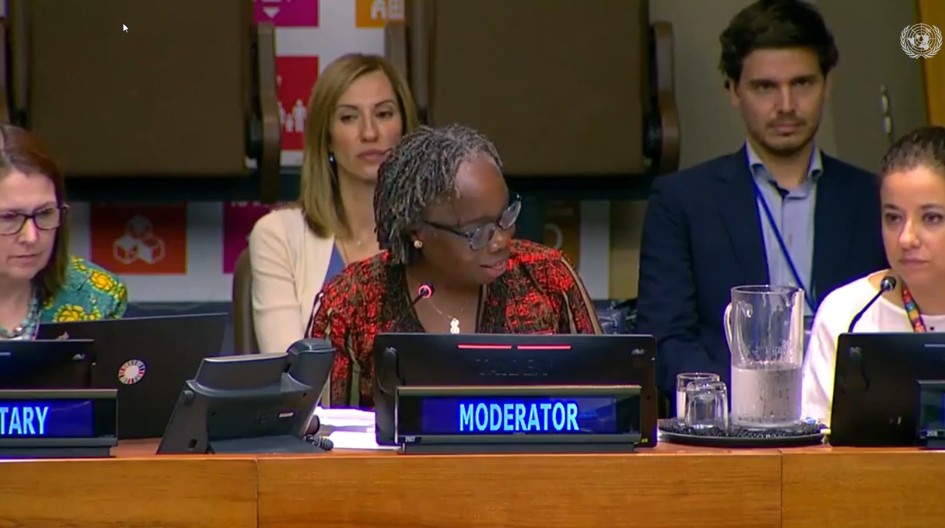
Navigating UN ECOSOC and Human Rights Advocacy
Engaging the United Nations means mastering its procedures, from ECOSOC to the Human Rights Council. A strategic roadmap for parliamentarians and NGOs seeking to maximize their impact on global policy.
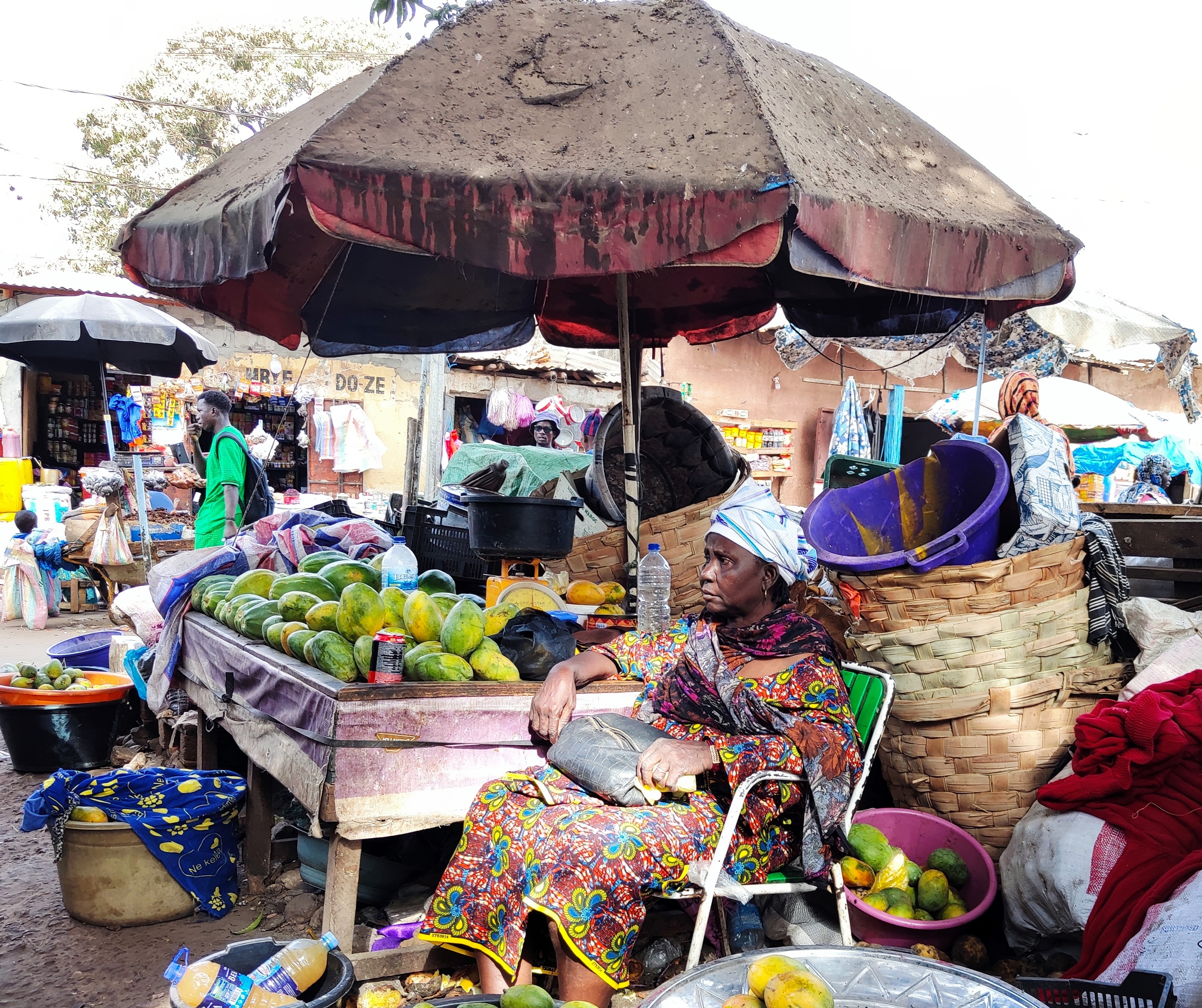
Global Challenges and Localized Solutions
NGOs design localized solutions for the world’s most pressing challenges. To maximize their impact, those solutions must reach global arenas such as the United Nations, where they can be shared, amplified and adapted.
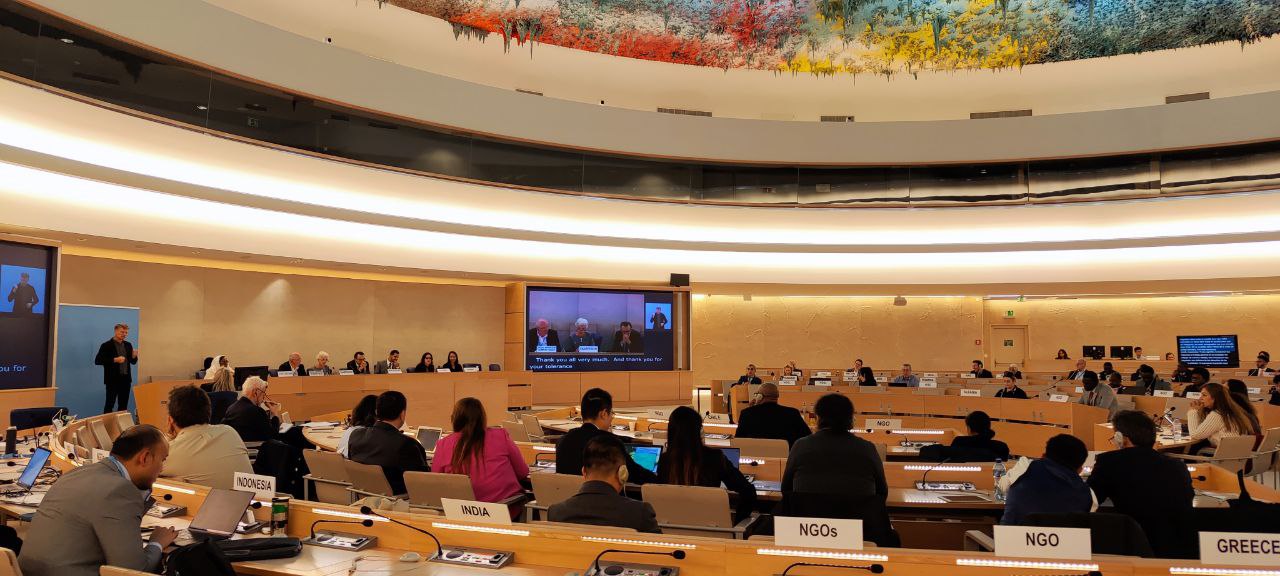
What Drives Change?
Facts alone are rarely enough. Bridging community perspectives, scientific evidence and actionable solutions is what turns knowledge into lasting change, and creative ways of sharing it make those solutions tangible and memorable. Real influence comes from connecting local realities with global decision-making — and from communicating evidence in ways that move the people with the power to act, at home and on the international stage. Strong advocacy pairs rigorous research with the lived experience of the communities affected, then frames it for the audience that matters, whether a Special Rapporteur, a treaty body or a national parliament. We help partners build that bridge: shaping the evidence, sharpening the message, and choosing the moments and mechanisms where it will carry furthest.
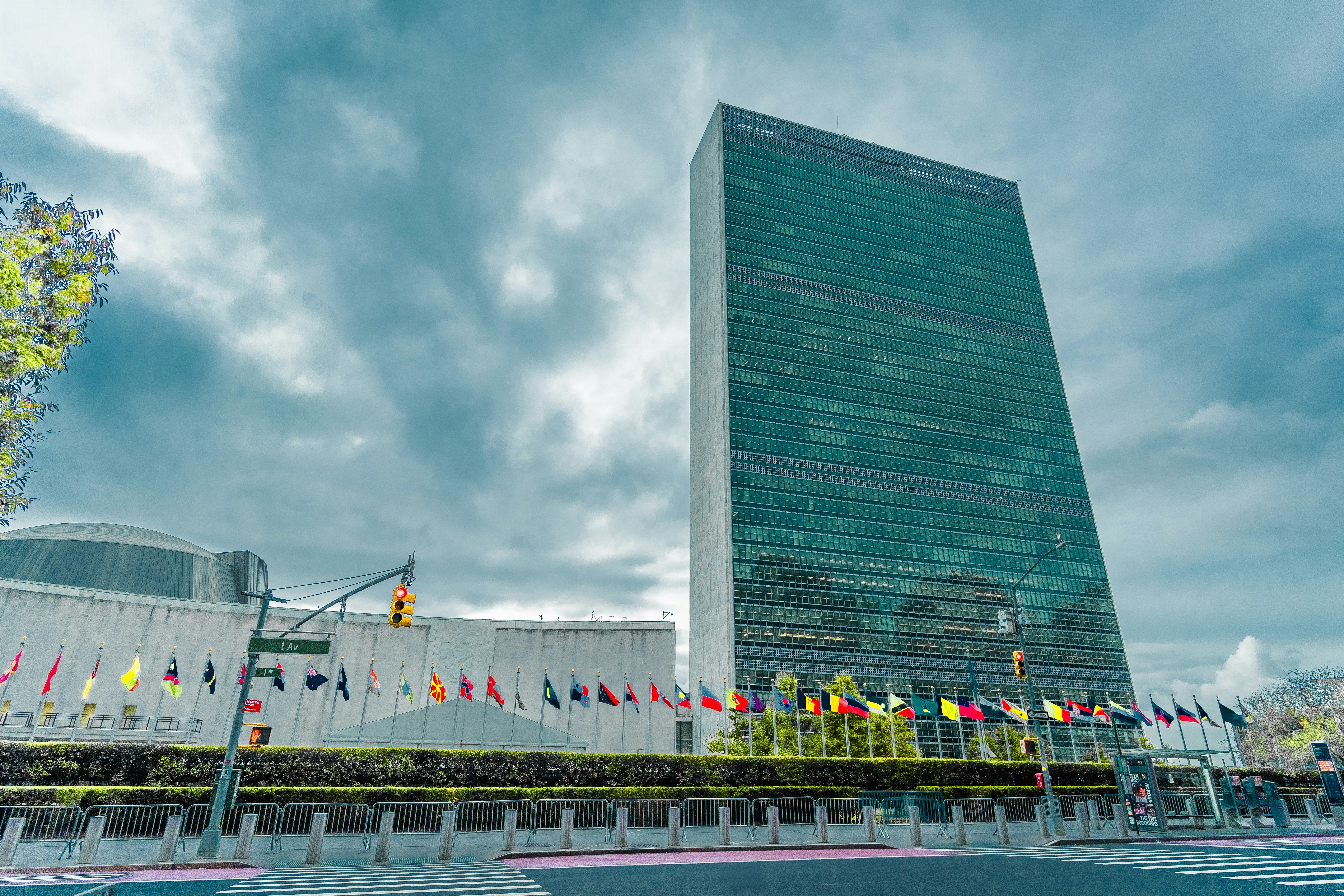
Our Work
With well over a decade of experience in multiple roles within the United Nations, we bring a deep understanding of how NGOs and civil society operate.
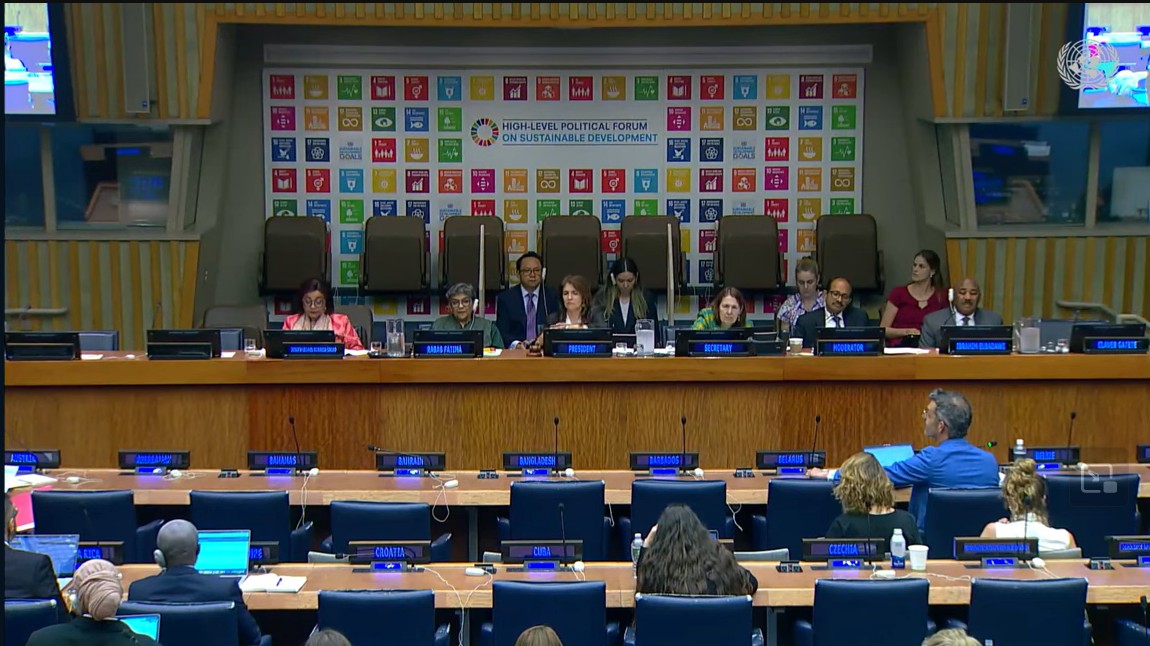
Defending Human Rights in Practice: Geneva’s UPR and New York’s VNR
With 36 countries presenting VNRs at the High-Level Political Forum in 2026 and 42 undergoing UPR review in Geneva, here is what distinguishes the two mechanisms and why it matters for advocates.